Julio Romero de Torres
JRT
Before the Meridian 1915
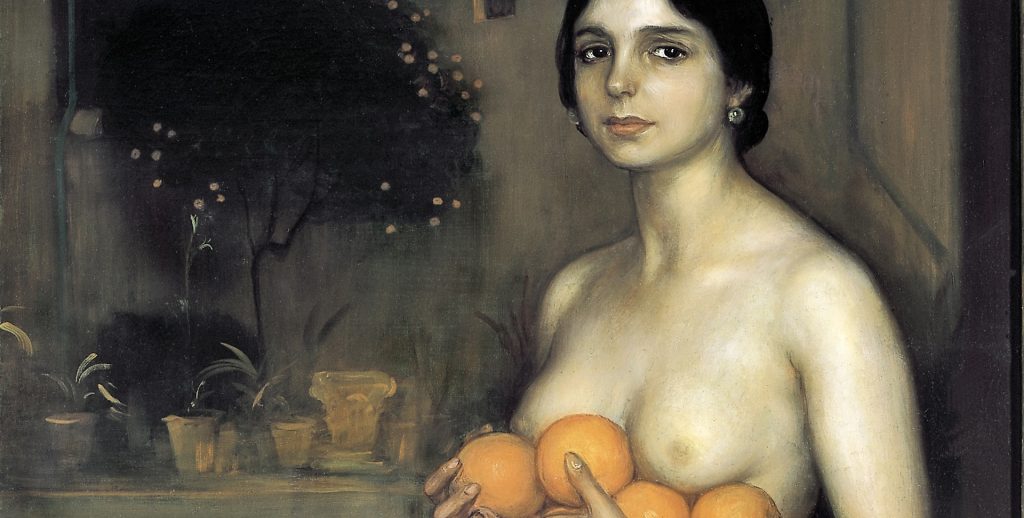
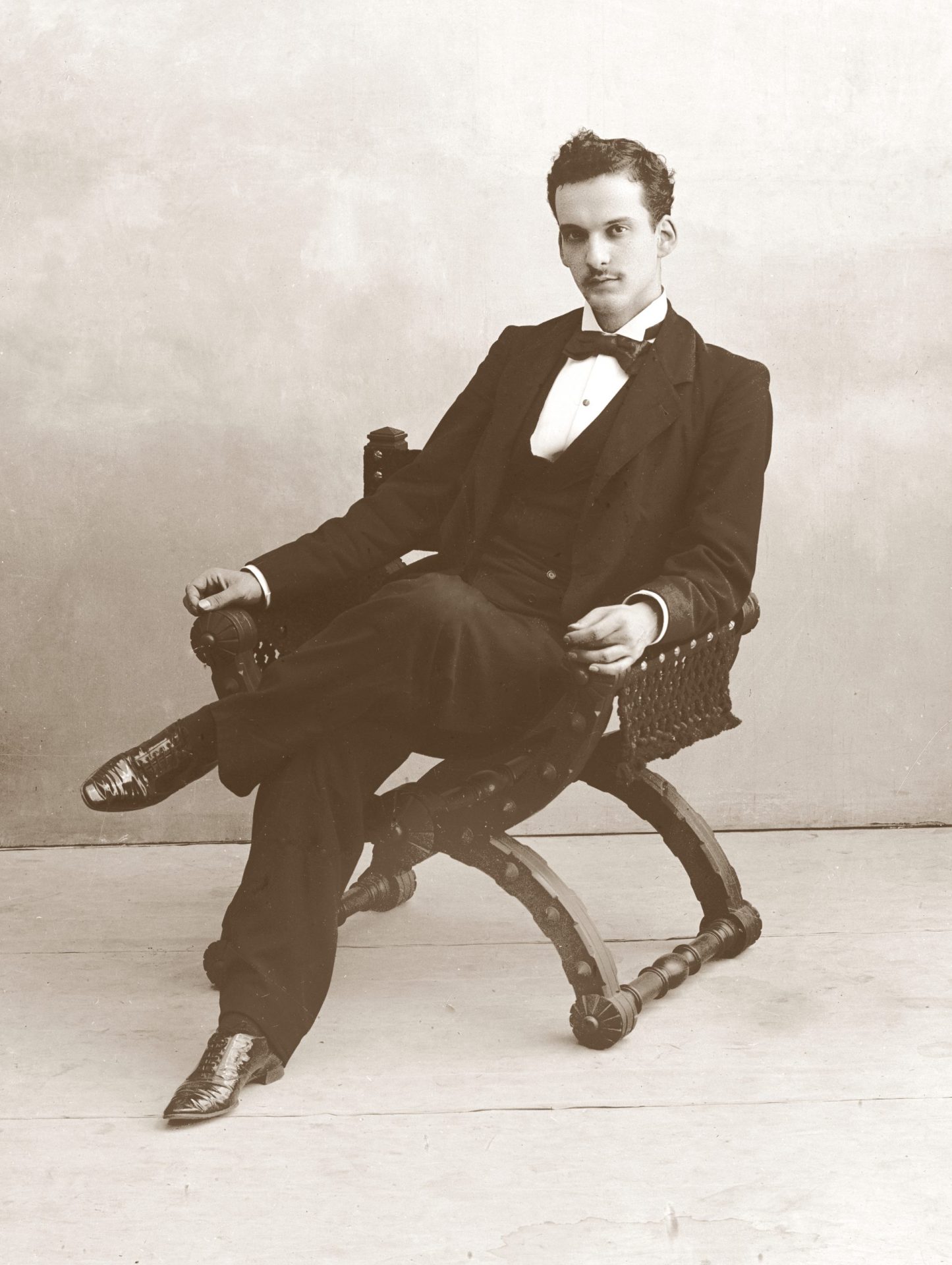
Julio Romero de Torres was born in 1874 in Córdoba, a city that would always be his main muse. His father, Rafael Romero Barros, instilled in him a love for art from an early age, introducing him to an environment where the light, color, and Andalusian culture profoundly shaped him. His training at the School of Fine Arts laid the foundation for his career, but he soon developed a personal style, influenced by the rich cultural heritage of his homeland and European artistic movements.
he year 1910 marked a turning point for him with his participation in the International Exhibition in Buenos Aires, where his work was highly praised, standing out for his ability to capture the essence of Andalusian women and culture. However, recognition in Spain was not immediate. Although he was beginning to gain fame, he was still regarded with some skepticism in certain circles. During this period, Julio alternated between life in Córdoba and Madrid, where he frequented intellectual and bohemian circles, always seeking new ways to express what he saw in his homeland.
Obsession with the Symbol
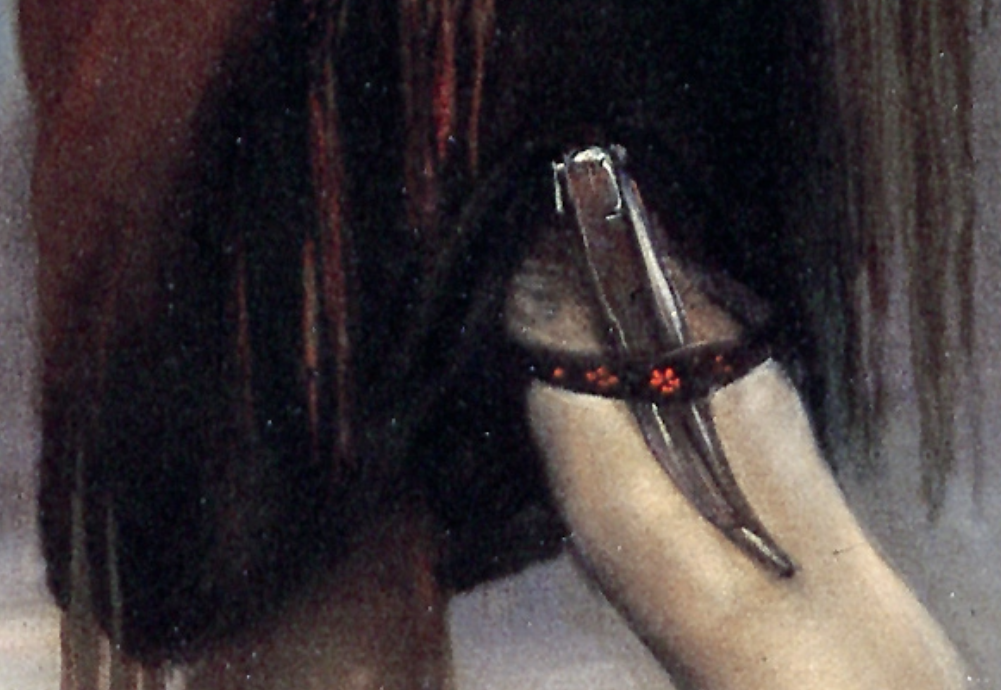
Symbolism was a constant in the work of Julio Romero de Torres, not as a decorative resource, but as a language that allowed him to explore the spiritual dimension of existence. For him, the symbol was the key that opened the doors to the invisible, the eternal. Every detail in his paintings, from the cross to the serpent, was a metaphor for the human internal struggle between desire and redemption.
This obsession with the symbol reflected his interest in the universal themes of spirituality and existence, as well as his deep connection with Andalusian culture. Córdoba, with its religious traditions, processions, and legends, was an inexhaustible source of symbols for him. As Francisco Giner de los Ríos, founder of the Institución Libre de Enseñanza, would say, Romero de Torres “paints not only what he sees but what beats beneath the skin of things,” capturing in his paintings a deeper truth.
“Pinta no solo lo que ve, sino lo que late debajo de la piel de las cosas”
Francisco Giner de los Ríos
The Scales of Triumph: Romero de Torres through His Critics
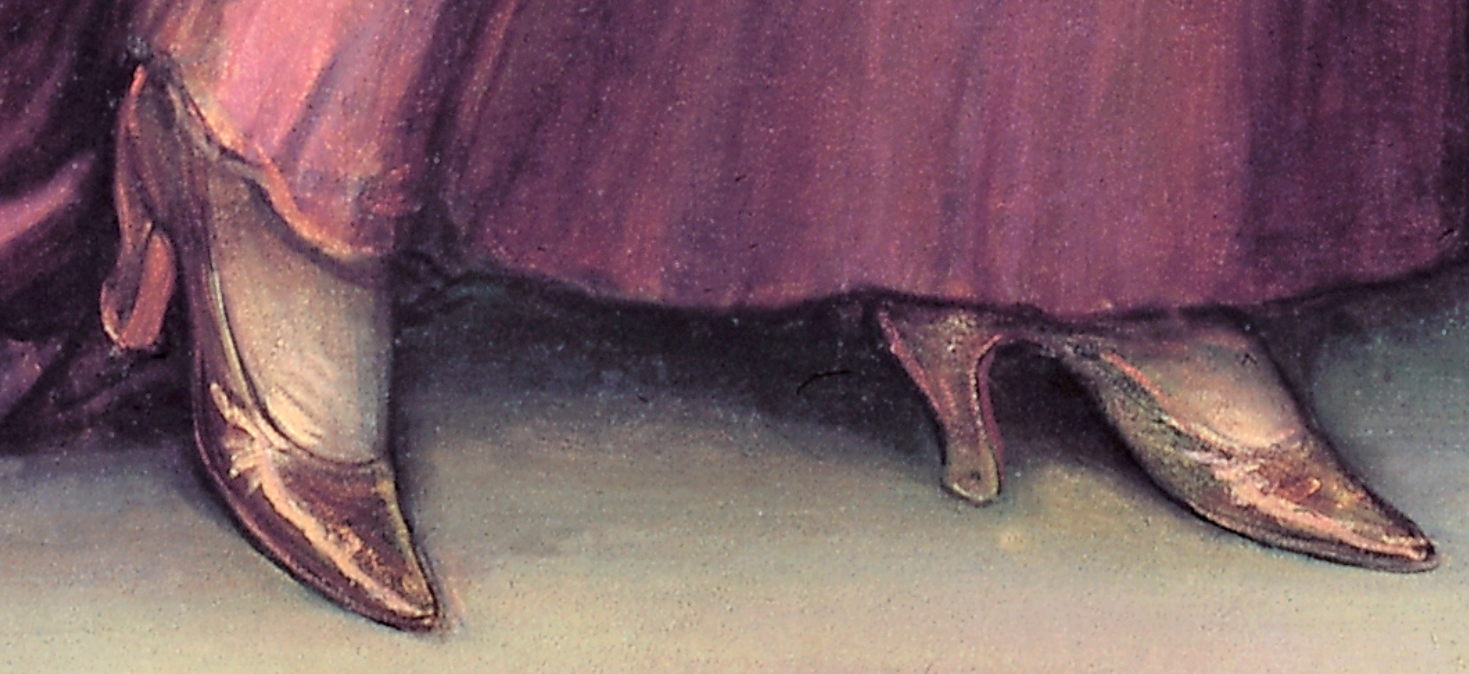
In the early years of his career, Julio Romero de Torres faced criticism from those who saw in his work an excessive repetition of themes and symbols, and also for his peculiar way of portraying women. Despite this, in America, particularly in Buenos Aires, he was acclaimed and awarded, which contrasted with the lack of recognition he was still experiencing in Spain.
As his work began to be better understood, many intellectuals came to his defense. Antonio Machado described him as “the painter of Andalusian essences,” highlighting his ability to capture the duality between the real and the symbolic. However, national critics were slow to appreciate the depth of his art. Over time, the “Cordoban Leonardo,” as some called him, came to be recognized as one of the great masters of Spanish painting, and his works transitioned from being seen as mere portraits of Andalusian life to profound studies of the human condition.
“The painter of Andalusian essences“
Antonio Machado
The Muse and the Feminine: The Search for Essence
“In the women of Julio there is a truth hidden that is not spoken, but that is felt in the air of their presence.”
Juan Ramón Jiménez
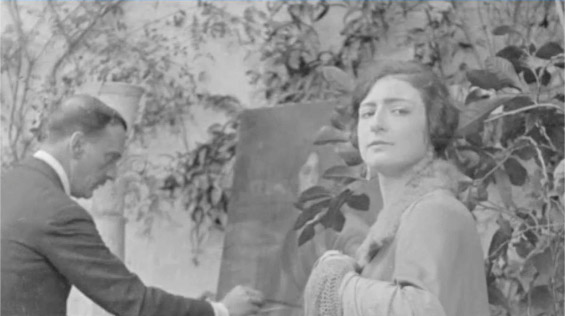
The female figure was the core of Julio Romero de Torres’ creative universe. His muses, mostly Andalusian women, embodied the beauty, passion, and pain of life. But beyond the physical, Romero sought to capture the intangible: the soul of these women, their mystery, their spirituality. Each portrait was a reflection on femininity and its connection to the divine and the earthly.
For Romero de Torres, women were not merely subjects of artistic representation but sources of knowledge and symbolism. Every gaze, every gesture he captured on his canvases was a window into the depths of human psychology. As one of his contemporaries, Juan Ramón Jiménez, stated, “in the women of Julio, there is a hidden truth that is not spoken, but felt in the air of their presence.” The muse in Romero de Torres’ work was both a being of flesh and blood and an archetype of the eternal and the ephemeral, of life and death.