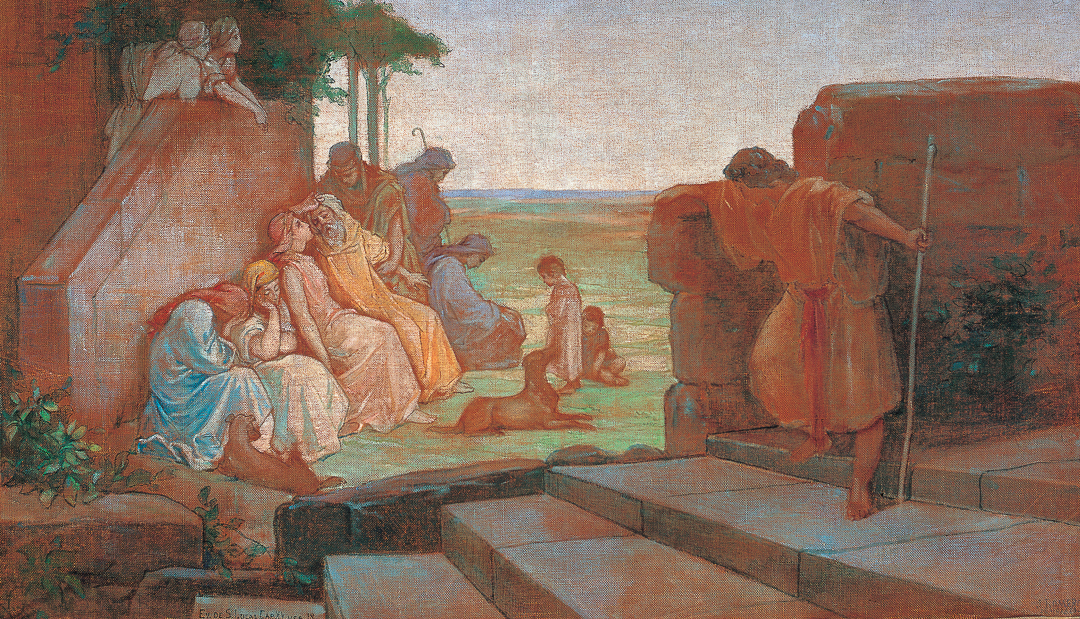
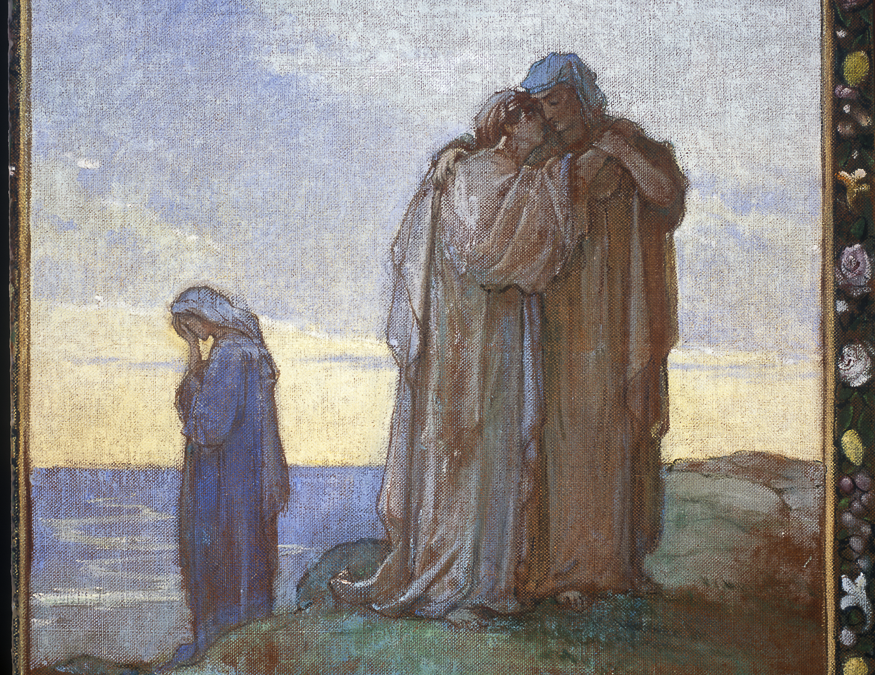
Two canvases inspired by themes from the Old Testament date from 1907. To create it, Julio Romero uses a technique that imitates the appearance of tapestries by painting in oil directly on an unprepared burlap or thick weft fabric. This technique became very popular...
The artist created this tapestry of religious content painting directly on a thickly woven raw canvas. It makes reference to the biblical episode of Naomi and her stepdaughters. This work of symbolist influence was inspired by an illustration with the same name done...
This sculpture is a model made in 1934 by the artist Juan Cristóbal González de Quesada. He won the first prize at the public contest to erect a monument dedicated to the painter Julio Romero de Torres in Córdoba. The monument was paid by public subscription and...
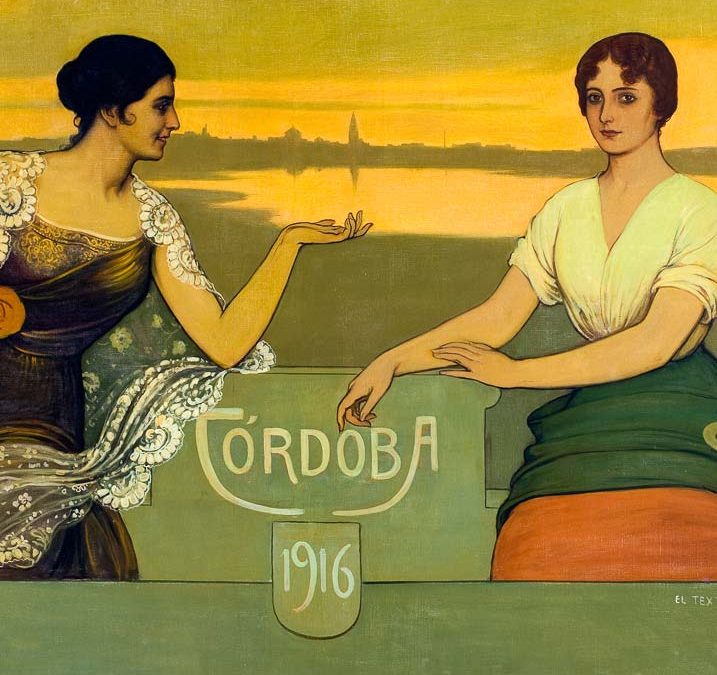
This work is a poster announcing the Fairs and Festival programs of the Gran Feria de Nuestra Señora de la Salud that was celebrated from 25th of May to the 1st of June 1916 in Córdoba. The poster came along with the program informing about the lightings, bullfights,...
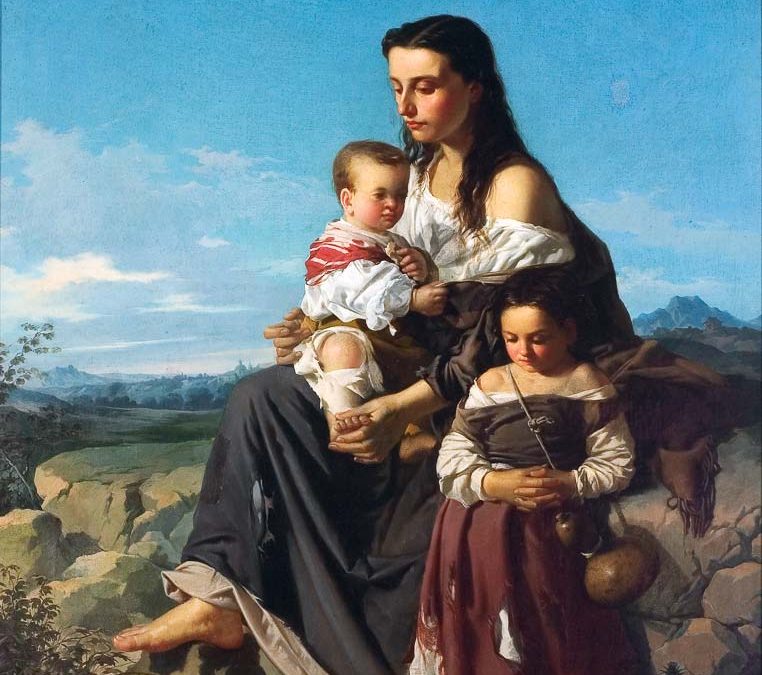
Mendigos (Beggars) was painted by Rafael Romero Barros, the father of Julio Romero de Torres, in 1868. This work brings together the three fundamental aspects of Romero de Barros: the landscape, the portrait and the still life. The painting shows the wife of the...
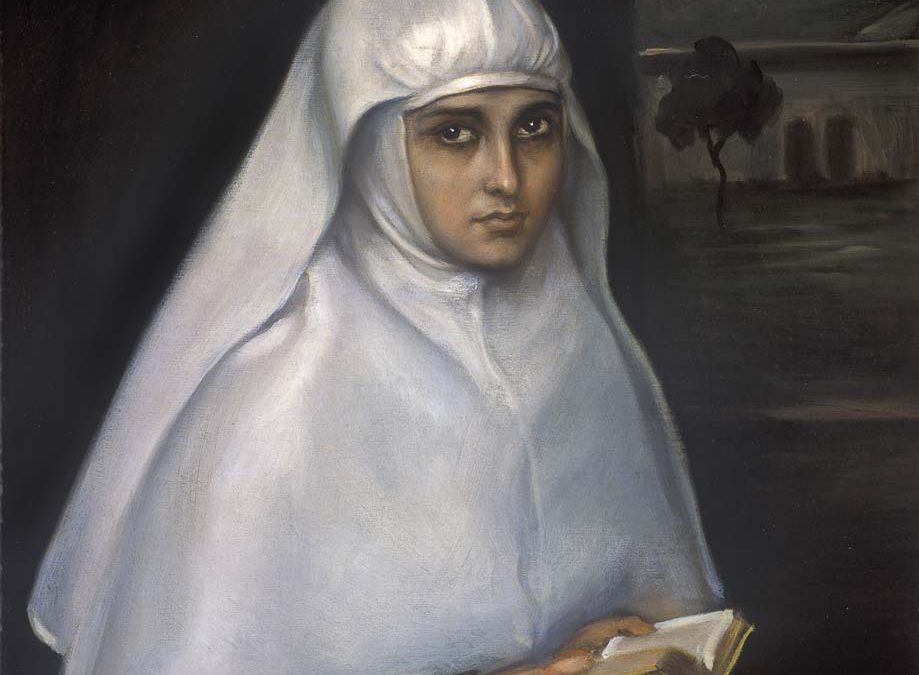
“The Nun” is an unfinished canvas dating from 1930. María Teresa López, a well-known model of the time, was the beauty who inspired the author to carry out this portrait. Romero the Torres worked several times with this model during his final period. The subject of...
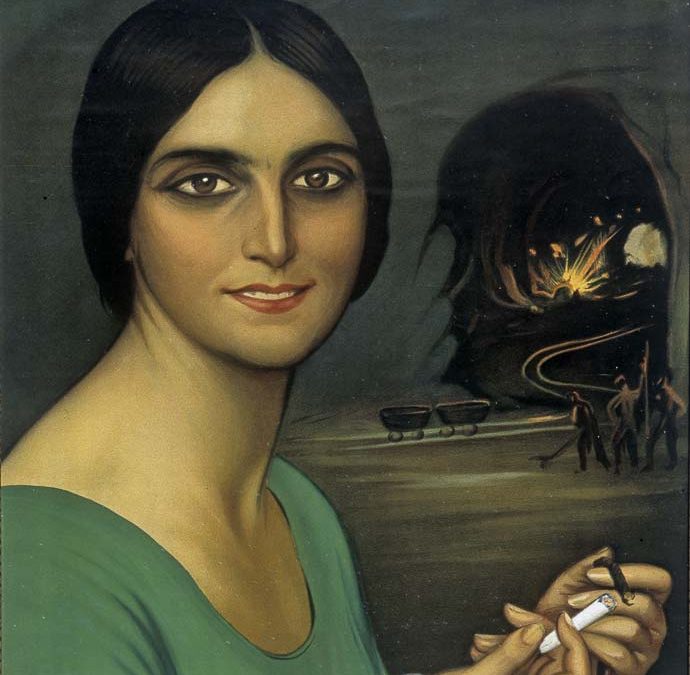
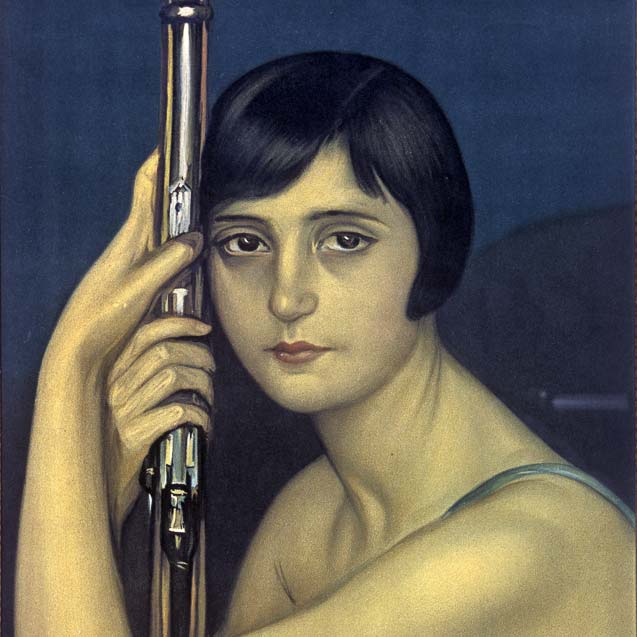
The Unión Española de Explosivos (Spanish Explosives Factory) started a cultural sponsorship which continues to exist today. The goal of the factory was to offer a calendar intended to spread the activities and image of the company. Every year they commissioned a...
The Unión Española de Explosivos (Spanish Explosives Factory) started a cultural sponsorship which continues to exist today. The goal of the factory was to offer a calendar intended to spread the activities and image of the company. Every year they commissioned a...
The Unión Española de Explosivos (Spanish Explosives Factory) started a cultural sponsorship which continues to exist today. The goal of the factory was to offer a calendar intended to spread the activities and image of the company. Every year they commissioned a...
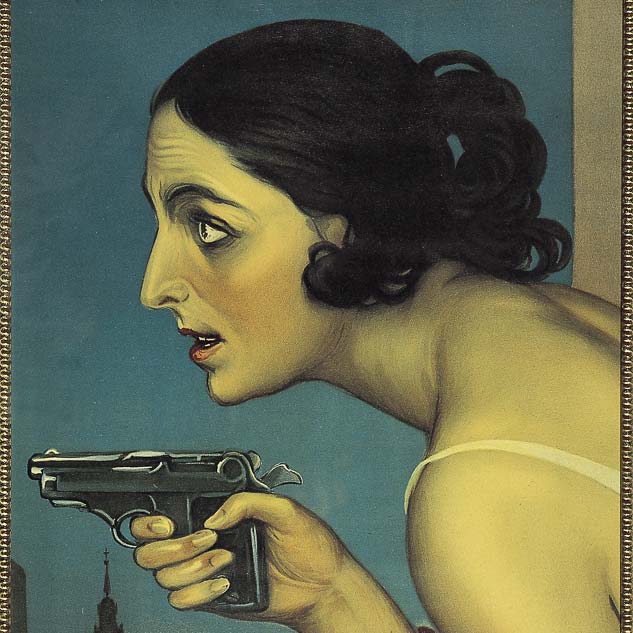
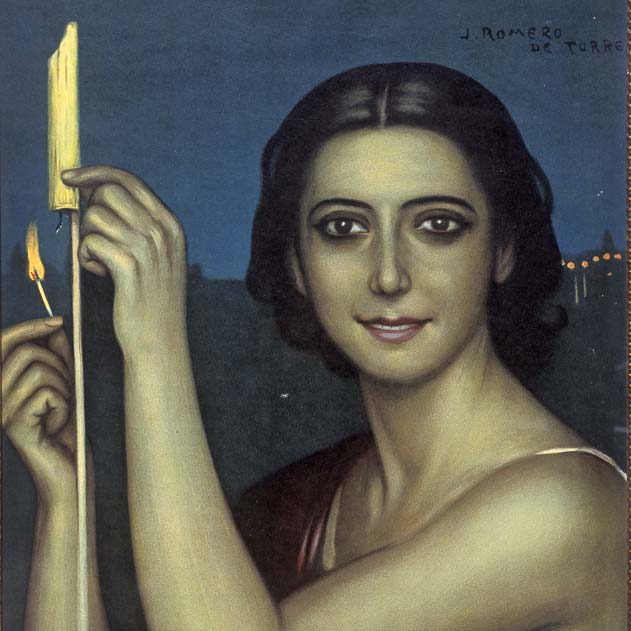
The Unión Española de Explosivos (Spanish Explosives Factory) started a cultural sponsorship which continues to exist today. The goal of the factory was to offer a calendar intended to spread the activities and image of the company. Every year they commissioned a...